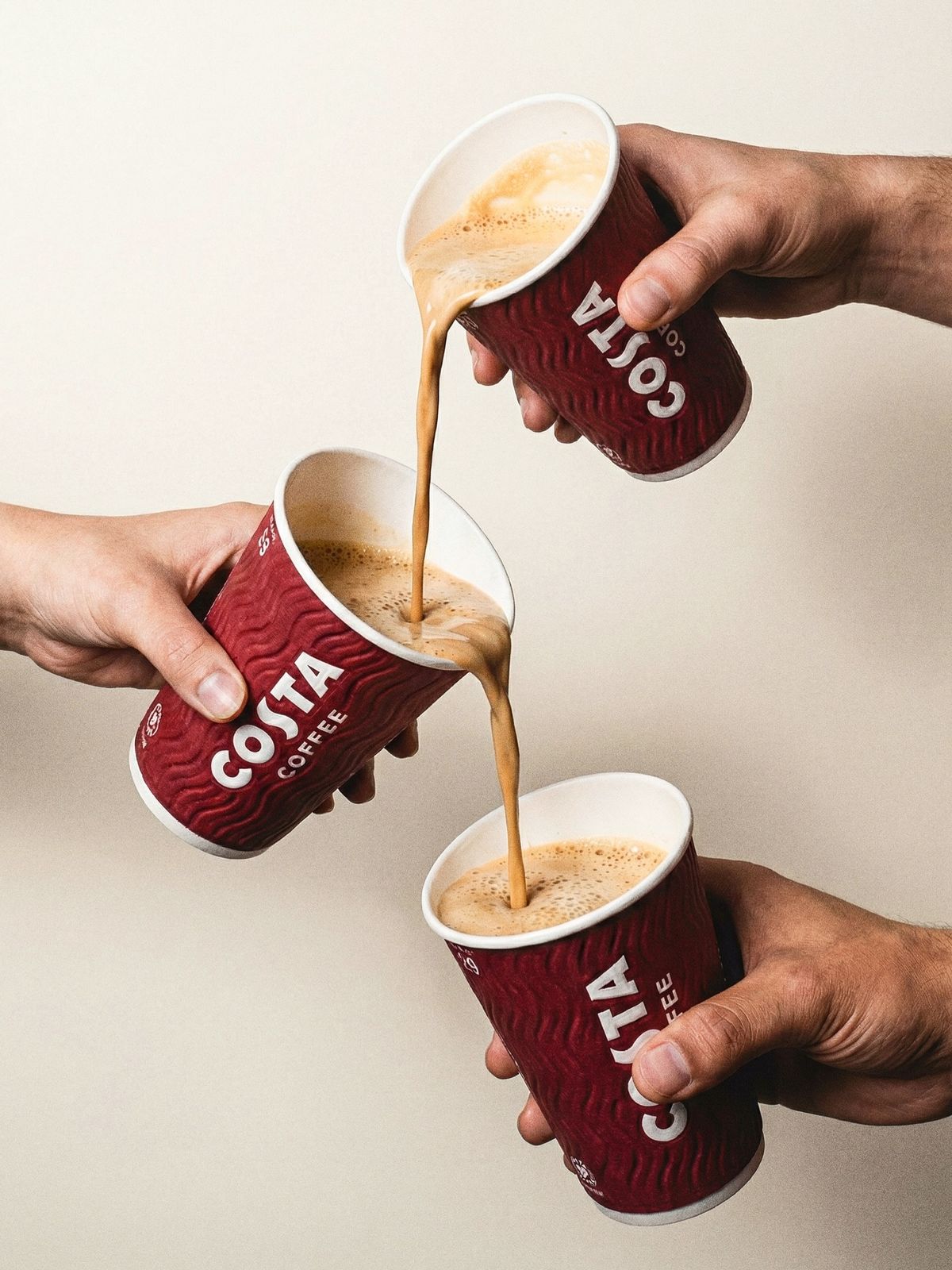
In the trend of green consumption and organic lifestyle, packaging is not simply something used to contain products, but also an effective story-telling channel, conveying the environmental commitment of the brand. Among sustainable packaging materials, Kraft paper is always the top preferred choice. However, many organic product businesses are facing a dilemma: Should they choose Brown Kraft or White Kraft paper? Each type has its own beauty, advantages, and suitable applications. Let’s analyze in detail with me to make the most optimal choice for your brand!
1. What Are Brown Kraft and White Kraft Paper?
Kraft paper gets its strength from the sulfate chemical pulping process, which preserves long wood fibers and produces resilient paperboard. The primary difference lies in whether the pulp undergoes an extra bleaching phase.
Brown Kraft Paper (Unbleached Kraft)
Unbleached kraft skips the chemical bleaching bath entirely. It retains the natural, earthy shade of raw wood pulp along with subtle textural variations across the sheet. Because it involves minimal processing, unbleached stock maintains high tensile strength at standard GSM (Grams per Square Meter) ratings. Converting lines frequently run this material for takeout containers, bowls, and outer sleeves because it yields dependable, puncture-resistant performance.

White Kraft Paper (Bleached Kraft)
Bleached kraft undergoes a deliberate refining wash using chlorine-free agents to strip out lignin and natural wood pigments. The result is a clean, uniform white surface that retains the raw tear resistance of standard kraft fiber. Unlike coated gloss papers, bleached kraft delivers an organic matte finish without unnecessary plastic films. It gives consumer brands a neutral, sterile, yet tactile packaging canvas.

2. Key Differences in Brown Kraft vs White Kraft Performance
When evaluating unbleached and bleached kraft stocks on the production floor, four operational factors determine which substrate will best suit your application.
Aesthetics and Visual Style
Brown paperboard projects an earthy, unrefined appeal that signals farm-fresh roots and environmental consciousness. White kraft delivers a clinical, minimalist aesthetic favored by modern apothecary lines, clean cosmetics, and upscale bakeries. Your choice dictates whether your brand leans toward artisan heritage or contemporary elegance.

Color Printing Capability
Surface background color fundamentally alters ink behavior. Evaluating the color performance between both options involves practical trade-offs:
- Ink Absorption on Brown Stock: The natural brown base dulls pale inks and shifts color values toward darker, muted tones. Maintaining consistent brand color requires deep hues like rich black, forest green, or midnight navy to offset background tint shifting.
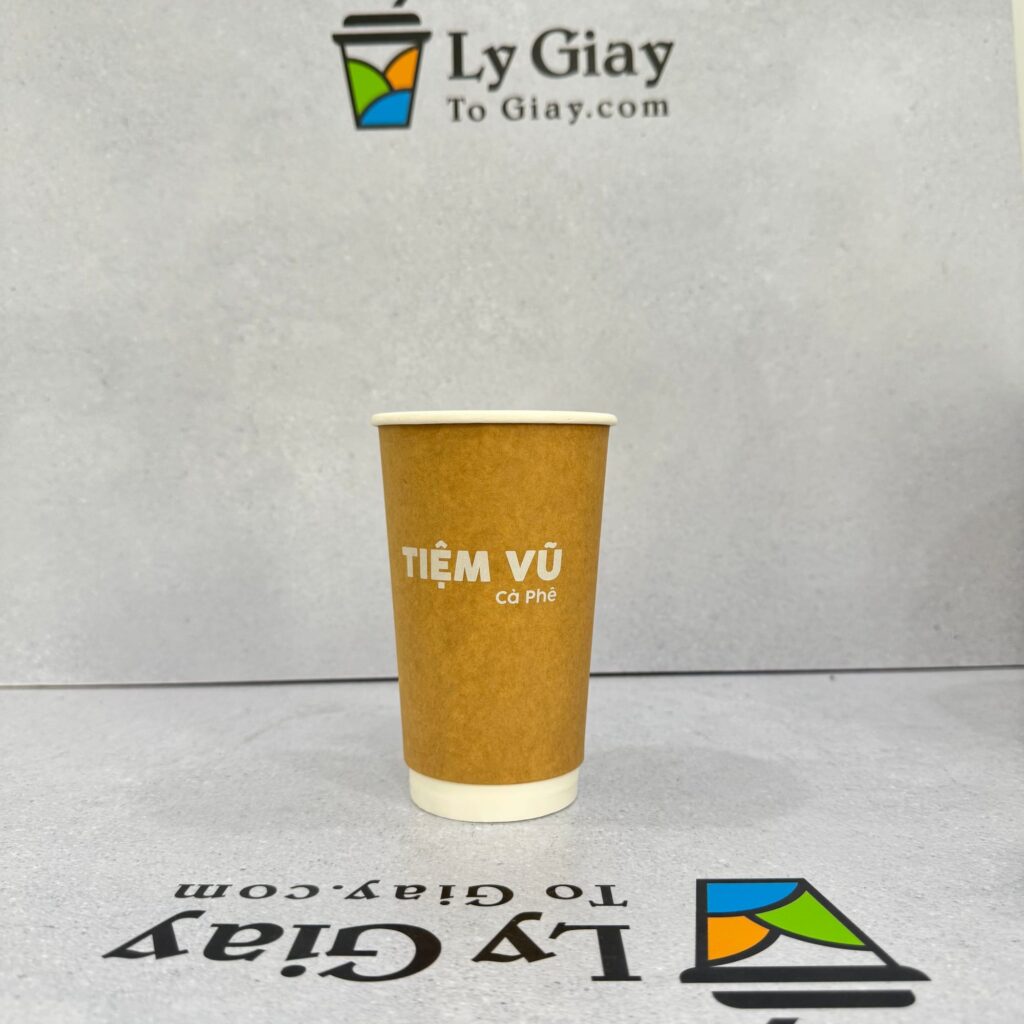
- Vibrancy on White Stock: A white backdrop provides neutral contrast, letting multi-color artwork, fine typography, and pastel branding reproduce accurately without muddying the final tint.

Eco-Friendly Consumer Perception
While both substrates are recyclable and compostable when free of heavy plastic linings, shoppers perceive them differently. Most retail buyers instinctively register unbleached brown paper as natural and unprocessed. Bleached paper requires clear messaging on the container to reassure buyers that it remains fully recyclable and responsibly sourced.
Cost and Production Efficiency
Because white kraft requires an added chemical refining step, raw bleached rolls carry a slightly higher base sheet cost. Unbleached brown pulp involves fewer refining cycles, making it the more budget-friendly substrate for high-volume takeout items and direct packaging runs.
3. Brown Kraft vs White Kraft: Which Fits Organic Products?
When to Choose Brown Kraft Paper
Select unbleached paper if your product ethos centers on zero-waste farming, unrefined ingredients, or rustic authenticity. It is the practical standard for wholesale coffee beans, dried herbs, loose grains, and takeout bowls. When you run containers with bold, single-color graphic designs, brown stock provides an undeniable visual shorthand for sustainability.

When to Choose White Kraft Paper
Choose bleached stock if your label relies on precise product certifications, detailed nutrition panels, or delicate brand shades. White kraft works well for organic skincare, infant nutrition, and premium botanical teas where a clean, hygienic backdrop is mandatory. It ensures critical regulatory text remains crisp, legible, and easy to inspect.

Conclusion
Settling the debate between brown kraft vs white kraft comes down to balancing raw, natural shelf appeal against crisp print clarity. Unbleached paper remains the benchmark for earthy, rustic branding, while bleached paper gives health and wellness lines an orderly, high-contrast finish. Request physical material samples to test your artwork across both paper stocks before starting a production run.
Ly Giấy Tô Giấy – Professional Paper Packaging Solutions
Whether you choose Brown Kraft or White Kraft, Ly Giấy Tô Giấy is ready to accompany your business:
-
Providing high-quality Kraft paper cups, Kraft paper bowls, paper bags, and paper food boxes, food-safe certified.
-
Modern printing technology, sharp logo printing, true to design.
-
Consulting on optimal solutions for each product line and budget.
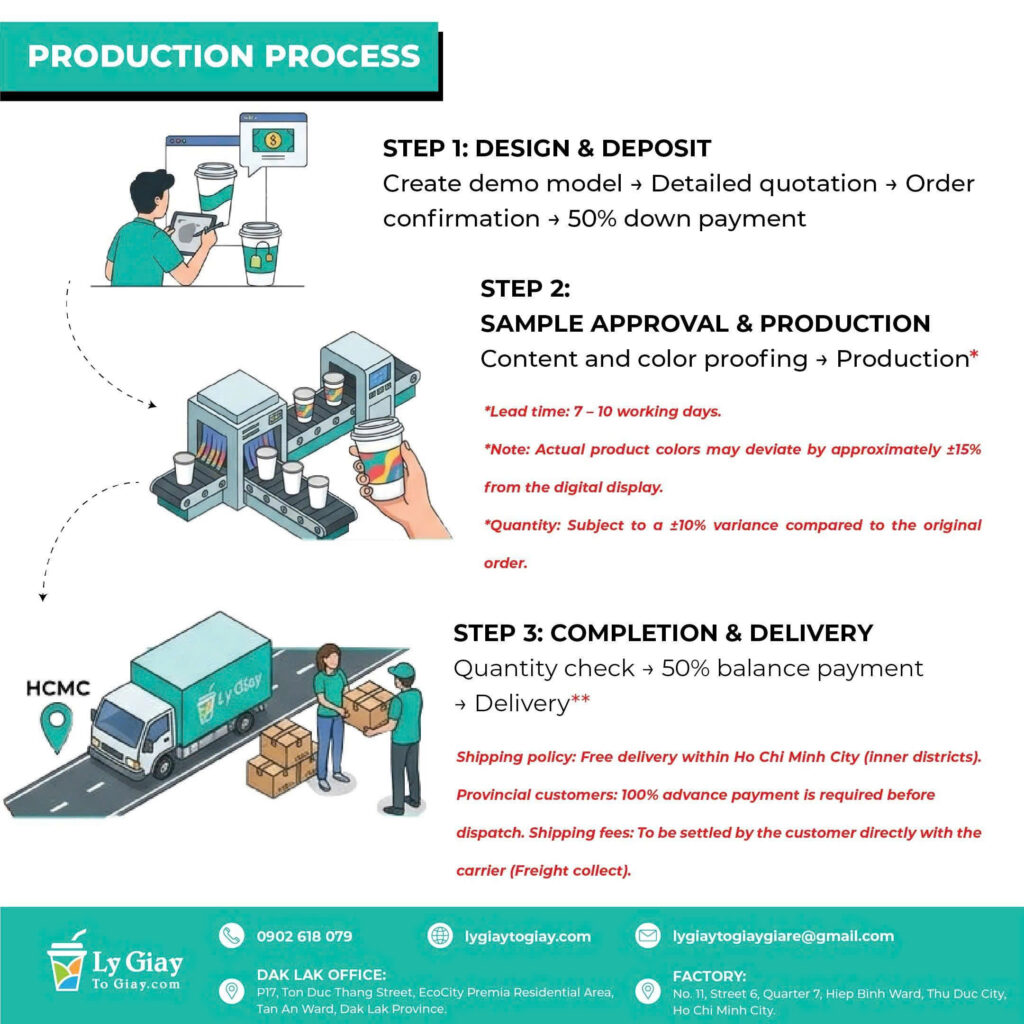
Contact Ly Giấy Tô Giấy today for consultation and sample quotes!
Hotline/ Zalo/ Telegram/ WhatsApp: +84 902 618 079
Website: https://cup.lygiaytogiay.com/