Category: Cup

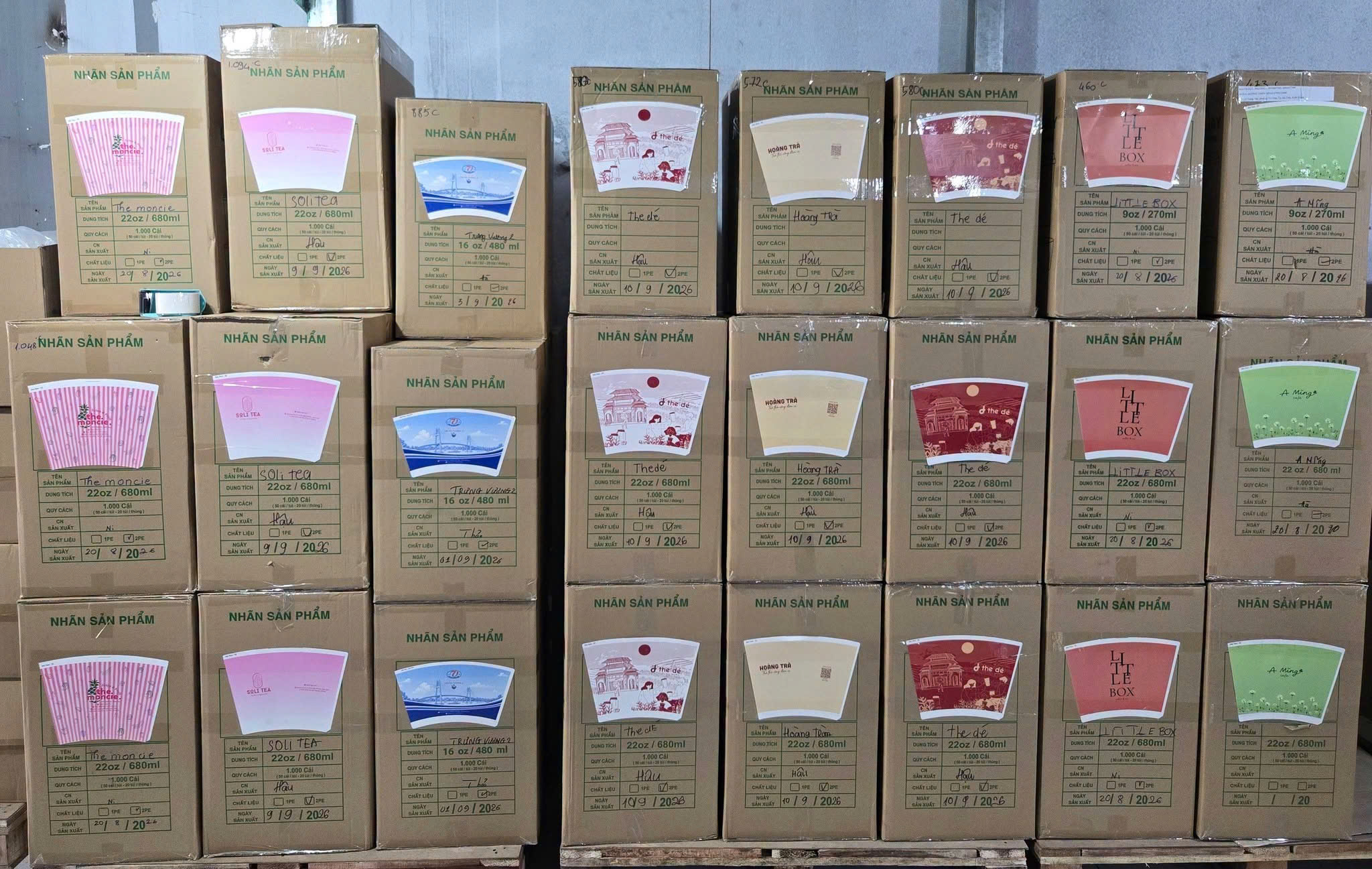
  • Direct Factory Sourcing Solutions for Paper Cups and Paper Bowls in Vietnam for Restaurant and Cafe Owners in Cambodia

    Direct Factory Sourcing Solutions for Paper Cups and Paper Bowls in Vietnam for Restaurant and Cafe Owners in Cambodia

    Operating a thriving restaurant or cafe in Phnom Penh, Siem Reap, or Battambang requires dependable supply chains. Yet regional packaging procurement often brings steep reseller markups, inconsistent paperboard inventory, and disruptive transit delays. For food businesses targeting direct factory sourcing Vietnam, paper cups paper bowls Cambodia offers a practical, high-yield supply corridor. Sourcing takeout packaging directly from an established manufacturing plant across the border secures predictable pricing, certified food safety, and pinpoint print registration straight from the production floor.

    Overcoming Supply Disruptions: Wholesale Sourcing Challenges in Cambodia

    Many hospitality operators throughout Cambodia purchase their packaging from middlemen and local trading warehouses. While convenient for emergency restocks, relying on third-party brokers introduces compounding vulnerabilities to your operating margins and brand reputation. When local traders tack on extra distribution and storage fees, your unit costs rise without adding any functional value to your food presentation.

    Beyond added expense, quality variance remains an ongoing headache. Unvetted packaging suppliers often provide containers that fail during routine takeaway handling:

    • Structural softening and side-seam leaks: Cheap base curls and thin inner linings fail under hot broths and iced drinks, causing packaging to collapse and spilling orders during transit.
    • Unpredictable stockouts on critical sizes: Trading intermediaries frequently run out of specific cup diameters or matching snap-on lids, forcing kitchen staff to scramble with mismatched alternatives during peak service hours.
    • Blurred and misaligned branding: Subcontracted secondary printers routinely produce muddy logos, bleeding inks, and uneven registration that cheapen your brand presentation.
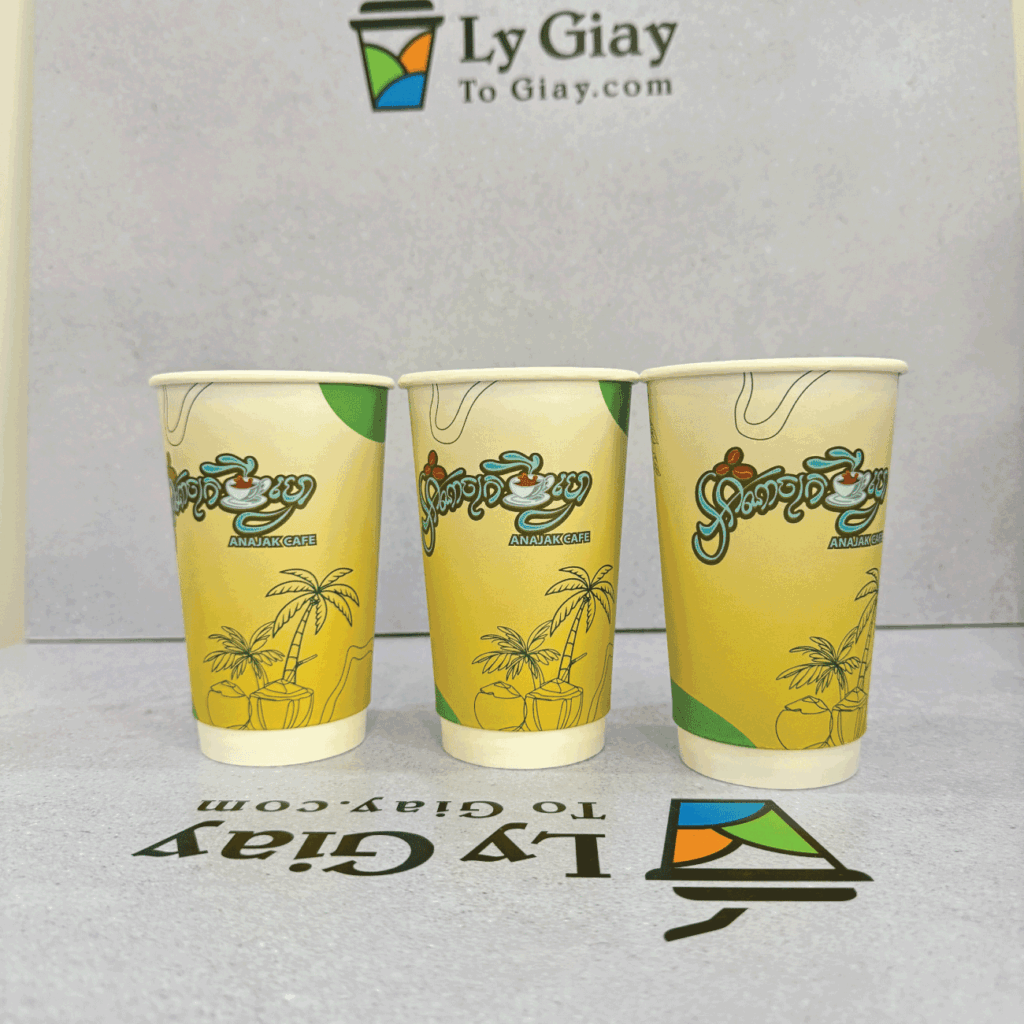
    Direct Factory Sourcing Vietnam, Paper Cups Paper Bowls Cambodia: Rigorous Quality Controls

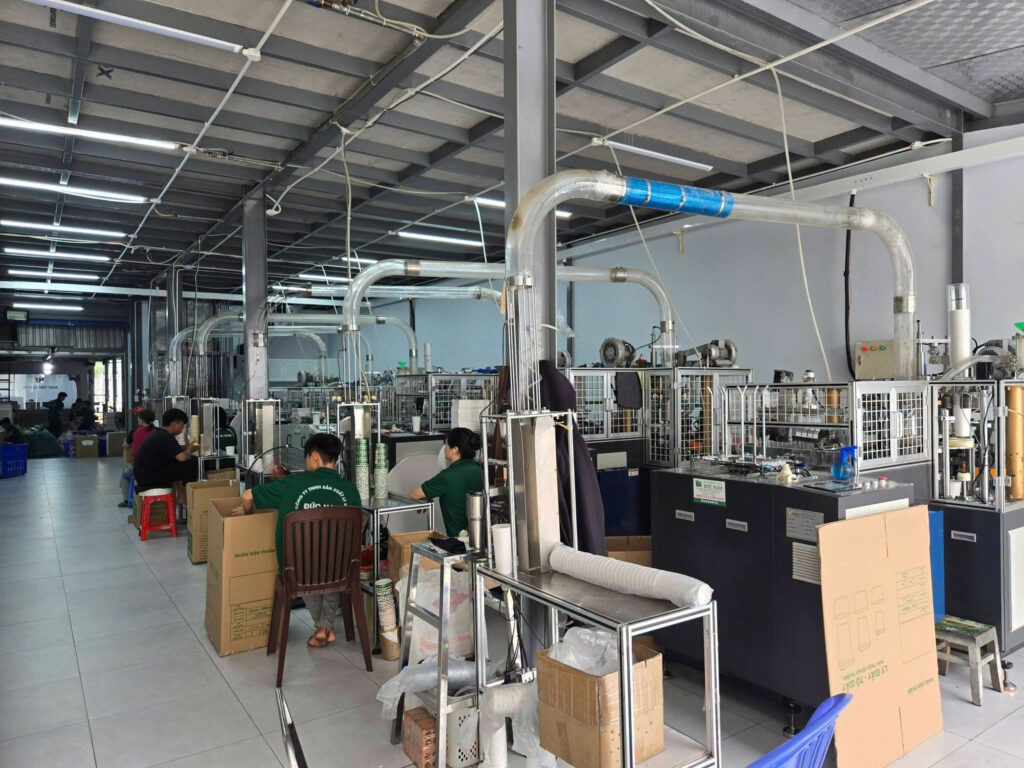
    Paper Cup Print operates over 2,000 square meters of specialized production space in Ho Chi Minh City, producing certified food-grade packaging built for demanding regional F&B brands. Managing slitting, printing, and forming under one roof cuts out trading markups entirely. This model allows Cambodian restaurants to lower their unit acquisition costs while retaining full control over paper caliper, rim stability, and graphic tolerances.

    Every paper cup, takeout soup container, and dessert bowl uses virgin paperboard backed by verifiable production controls:

    • Calibrated Grammage Standards: Containers are formed from high-density paperboard matched to specific GSM (Grams per Square Meter) standards. This prevents sidewall flex under piping hot soups or condensation-heavy beverages.
    • Targeted Barrier Linings: The factory pairs specific liquid formulations with dedicated PE Coated (1PE / 2PE) barriers. Hot coffee and noodle soups get single-sided 1PE liners, while iced tea and slush containers receive double-sided 2PE linings to stop exterior condensation from dissolving the paper wall.
    • Controlled In-House Printing: Centralized flexographic and offset print lines maintain tight color consistency between signed digital proofs and mass production, keeping brand palettes uniform across every batch.
    • Multi-Point Quality Gates: Before packing, containers pass through strict mechanical checkpoints verifying bottom-knurl tightness, rim curvature, lid-snap tolerance, and liquid leak thresholds.
    Efficient Cross-Border Transit via the Moc Bai and Bavet Corridor

    Moving custom containers from southern Vietnam into Cambodia involves minimal red tape and short transit windows. The manufacturing facility sits right along major southern freight arteries, turning export shipments into a routine overland route for businesses buying wholesale paper cups for Phnom Penh and provincial operations.

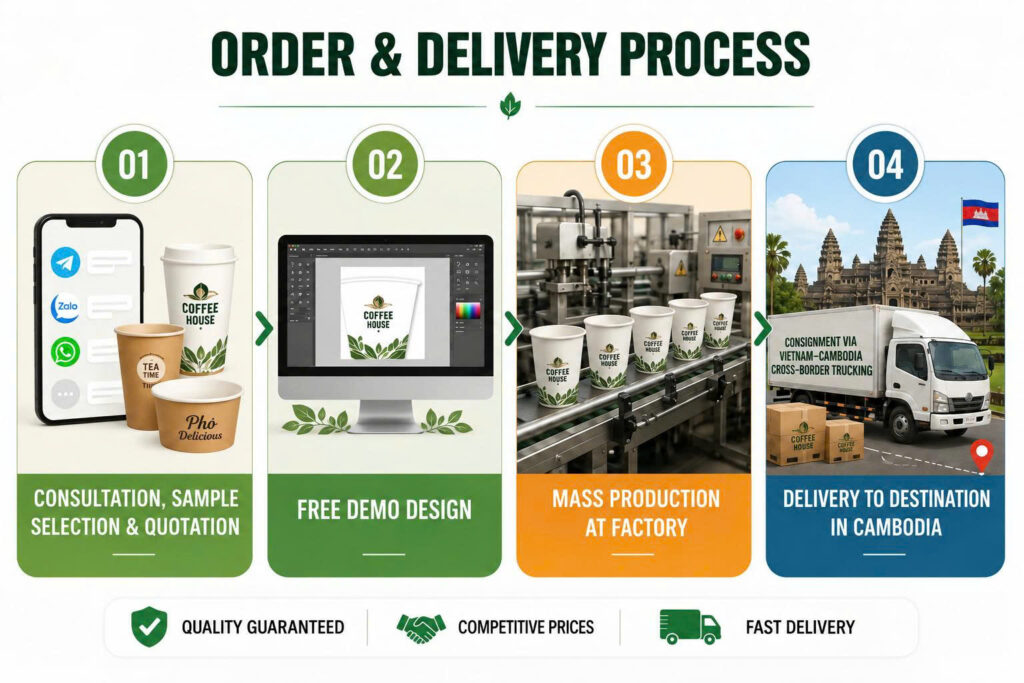
    Your team selects the exact cup volumes, bowl capacities, and lid pairings required for your menu. Once production wraps, boxed stock is palletized, stretch-wrapped, and loaded for transit through the Moc Bai and Bavet border gate. Established cross-border logistics carriers handle customs clearance and transport full consignments straight to your central depot or individual branch doors within just a few transit days.
    Reliable Food Packaging for Cambodian Hospitality Brands

    Switching to direct factory sourcing Vietnam, paper cups paper bowls Cambodia gives your enterprise resilient supply continuity, lower unit costs, and robust packaging built for actual kitchen workflows. Dealing directly with a dedicated manufacturing plant protects your brand reputation through certified food-safe materials and disciplined in-house color management. Contact the production team today to review container dimensions, submit your artwork layout, and receive a physical sample kit delivered to your restaurant.
  • Comparing Paper Cup Lids: Which One Is the Best Choice for Your Business?

    Comparing Paper Cup Lids: Which One Is the Best Choice for Your Business?

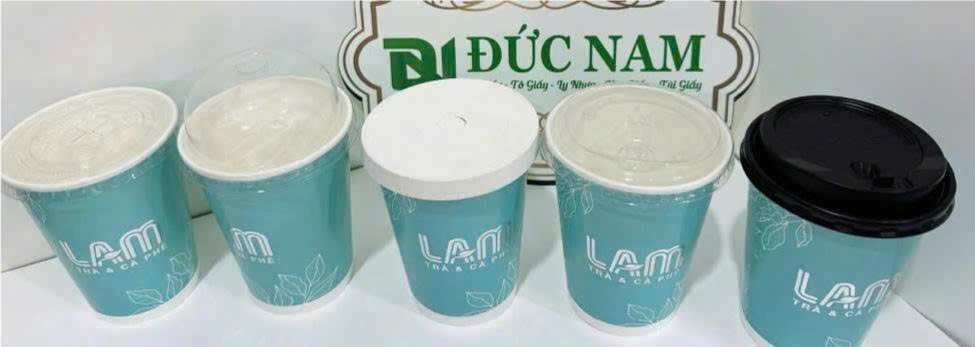
    Choosing the right paper cup lid is just as important as selecting the cup itself. A suitable lid not only prevents spills during delivery but also directly enhances the customer’s drinking experience and elevates your brand’s professionalism. With various designs available on the market today, which lid type is the most optimal for your menu?  In this article, Ly Giấy Tô Giấy provides a comprehensive comparison of popular paper cup lids to help you make the best choice for your store.

    1. Why Is Choosing the Right Paper Cup Lid Important?

    Many store owners view lids as a minor accessory, but they play a critical role in daily operations:

    • Spill & Leak Prevention: Ensures drinks remain intact during takeaway transport and third-party delivery services.

    • Temperature Retention: Helps maintain heat for hot drinks (like coffee or tea) and slows down ice melting for cold beverages.

    • Customer Drinking Experience: Direct-sip lids or straw-friendly designs affect how comfortably customers enjoy their beverages.

    • Aesthetics & Branding: A high-quality, well-fitted lid completes the clean, premium look of your takeaway packaging.

    2. Comprehensive Comparison of Popular Paper Cup Lid Types

    Sip-Through Flat Lids (Direct Drink Lids)

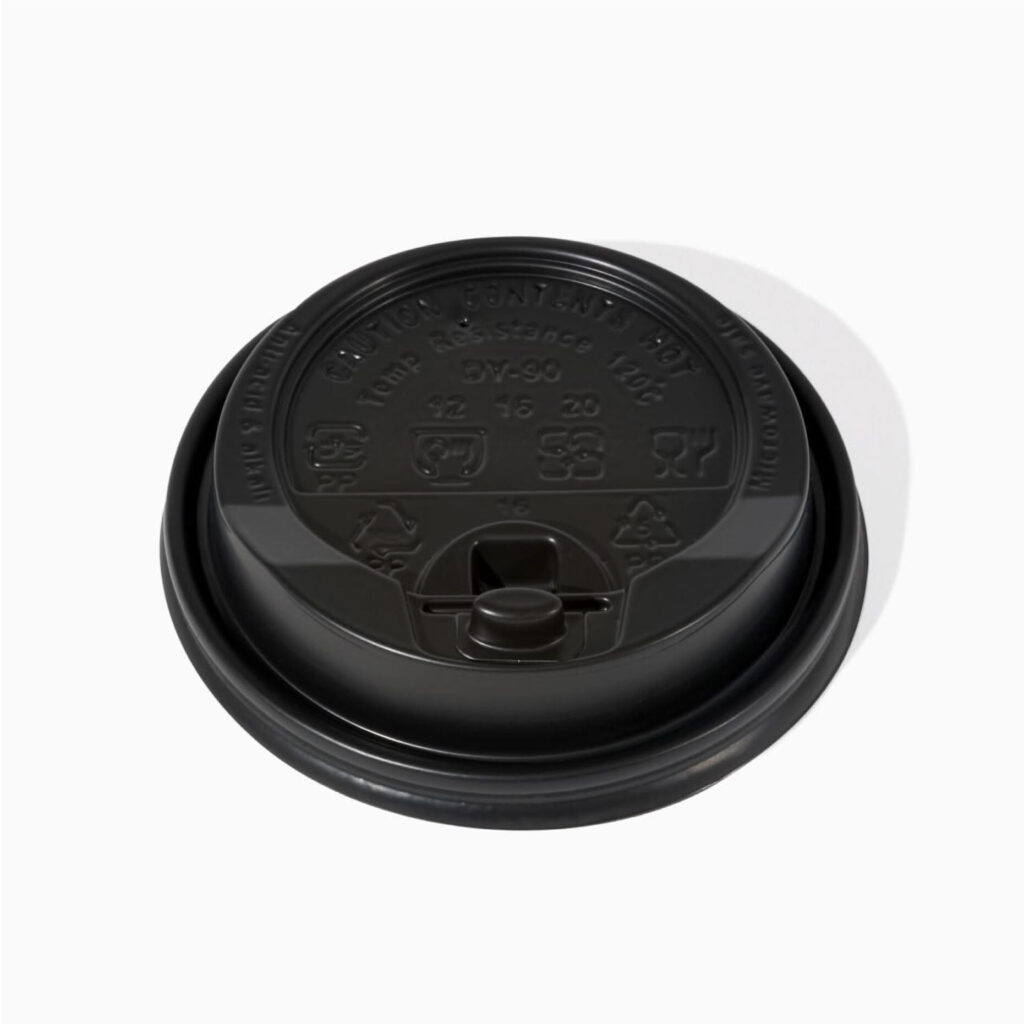
    Designed with a raised drinking spout, this lid allows customers to sip hot beverages directly without needing a straw.

    • Best Suited For: Hot coffee, Americano, Latte, Cappuccino, hot tea.

    • Pros: Highly convenient, sleek look, reduces single-use plastic straw consumption, holds heat exceptionally well.

    • Cons: Not suitable for iced drinks containing toppings or heavy whipped cream.

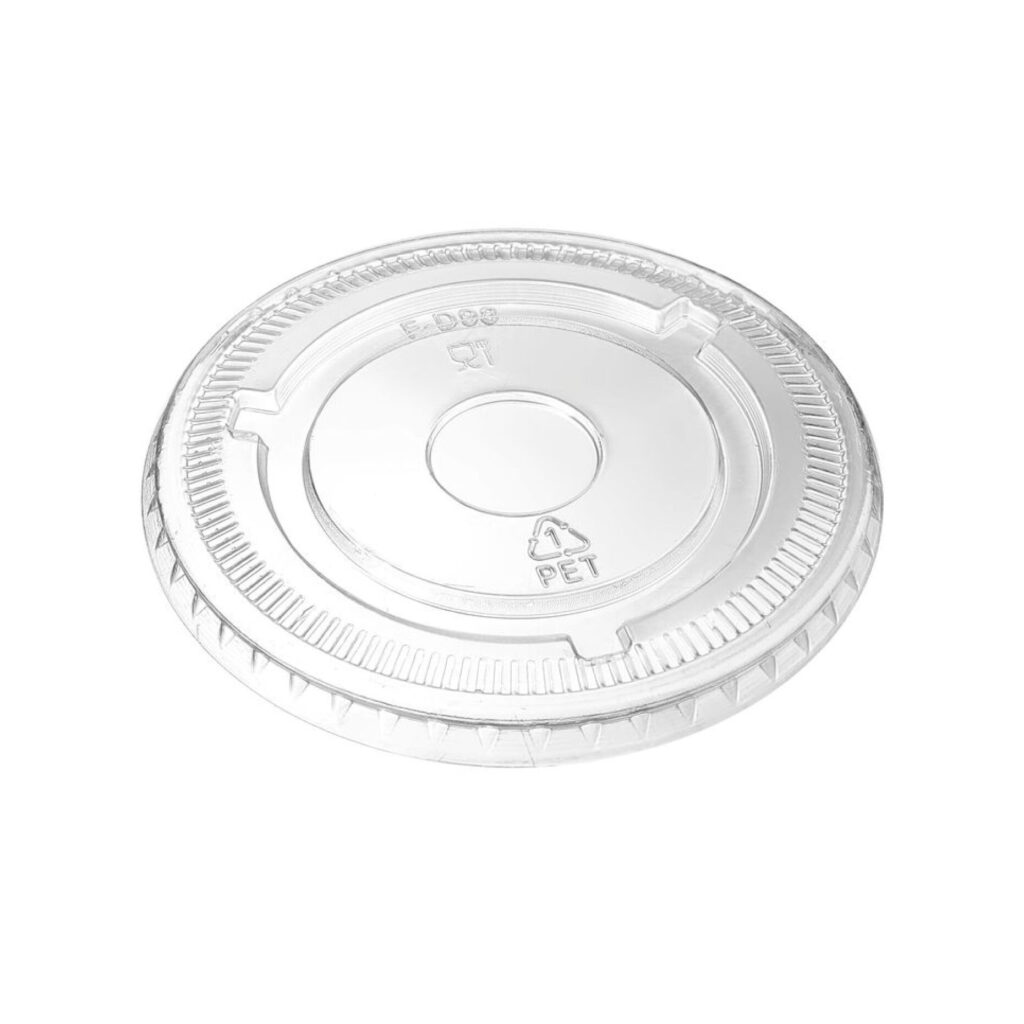
    Flat Lids with Straw Hole

    The classic flat lid featuring a cross-cut or hole in the center for inserting a straw.

    • Best Suited For: Iced coffee, traditional iced tea, fresh juices, soft drinks.

    • Pros: Highly economical, simple, easy to stack, fits securely onto standard paper cup rims.

    • Cons: Requires a straw; liquids may splash if tilted during fast transit.

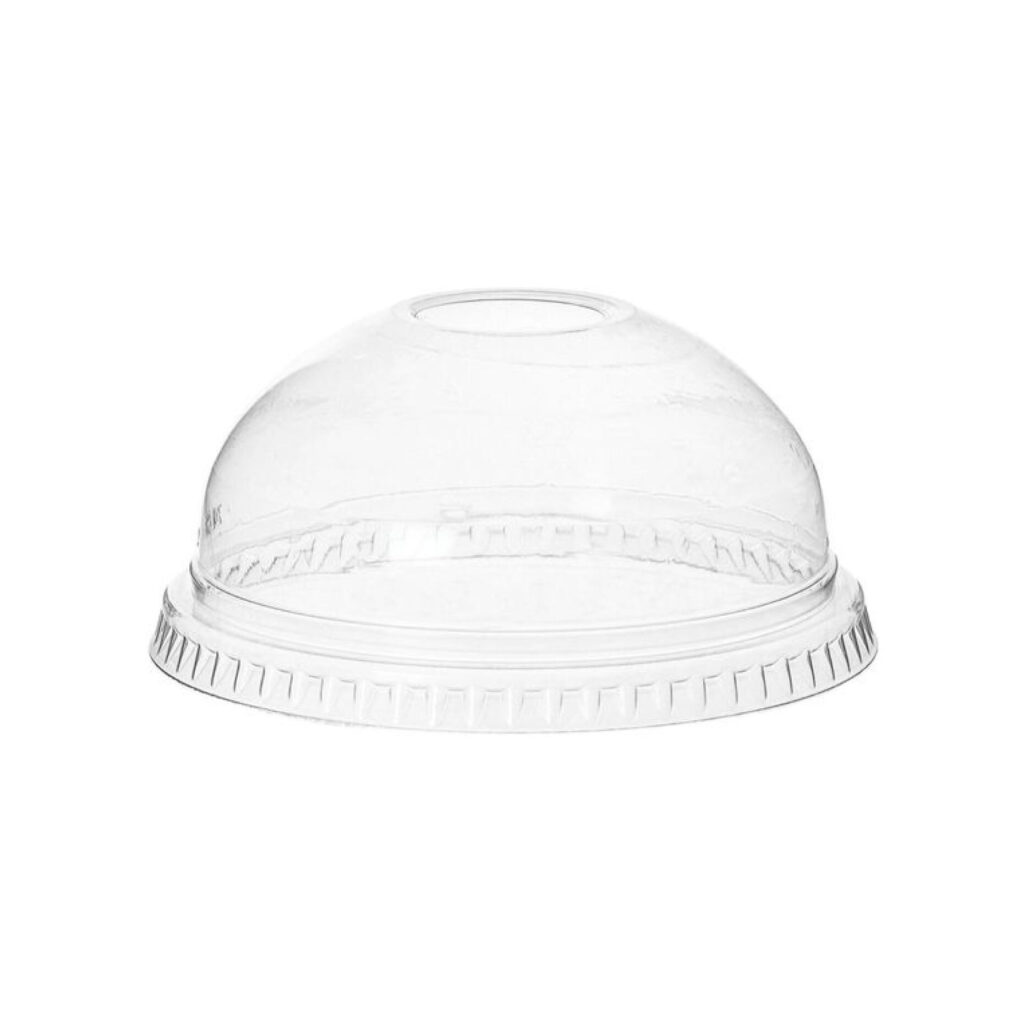
    Dome Lids

    A raised, dome-shaped lid that creates extra internal space above the cup rim.

    • Best Suited For: Smoothies, frappes with whipped cream, boba tea with floating toppings, ice-blended drinks.

    • Pros: Prevents toppings and cream from squishing against the lid; visually appealing for layered drinks.

    • Cons: Bulkier to store; requires straws for drinking.

    Flip-Top / Lockable Lids

    An upgraded version of the sip lid featuring a small latch or plug that seals the drinking hole completely when closed.

    • Best Suited For: Long-distance delivery menu items, hot specialty beverages.

    • Pros: Maximum spill protection; perfect for delivery orders where drinks are jostled on motorbikes.

    • Cons: Higher unit cost compared to standard flat lids.
      Nắp uống trực tiếp nút khóa rời, nắp Sip uống trực tiếp 90mm dùng cho ly giấy 2 lớp và ly tim cứng phi 90: SET 100 cái

    3. How to Choose the Optimal Lid Solution for Your Menu

    To select the right lid type without overcomplicating your inventory:

    1. Evaluate Your Menu Composition: If your menu is 80% hot espresso drinks, prioritize Sip-Through Lids. If you specialize in boba tea or frappes, Dome Lids and Straw Flat Lids are essential.

    2. Consider the Delivery Factor: If delivery apps (Grab, ShopeeFood, Gojek) make up a large portion of your revenue, invest in Flip-Top Lids or secure-fitting flat lids to prevent costly delivery leaks.

    3. Standardize Rim Diameters: Choose paper cups that share standard rim sizes (e.g., 80mm or 90mm) so a single lid size can fit multiple cup capacities (e.g., 12oz/14oz and 16oz). This significantly reduces inventory complexity.

    4. Partner with Ly Giấy Tô Giấy for Complete Packaging Solutions

    At Ly Giấy Tô Giấy, we supply a full range of food-safe paper cups and perfectly matching lids engineered for a tight, leak-proof fit.

    • Precision Fit: Lids designed specifically for standard paper cup diameters, ensuring zero leakage during delivery.

    • Eco-Friendly Materials: Full line of recyclable PET/PP lids and biodegradable paper-based alternatives.

    • Wholesale Factory Pricing: Competitive rates tailored for single-store setups and large chain operations.

    Contact Ly Giấy Tô Giấy today to get sample kits and a customized quote for your store!
    Hotline/ Zalo/ Telegram/ WhatsApp: 0902 618 079

  • Factory-Direct Plastic Cup Printing: Low-Cost Branding Secrets for New Shops

    Factory-Direct Plastic Cup Printing: Low-Cost Branding Secrets for New Shops

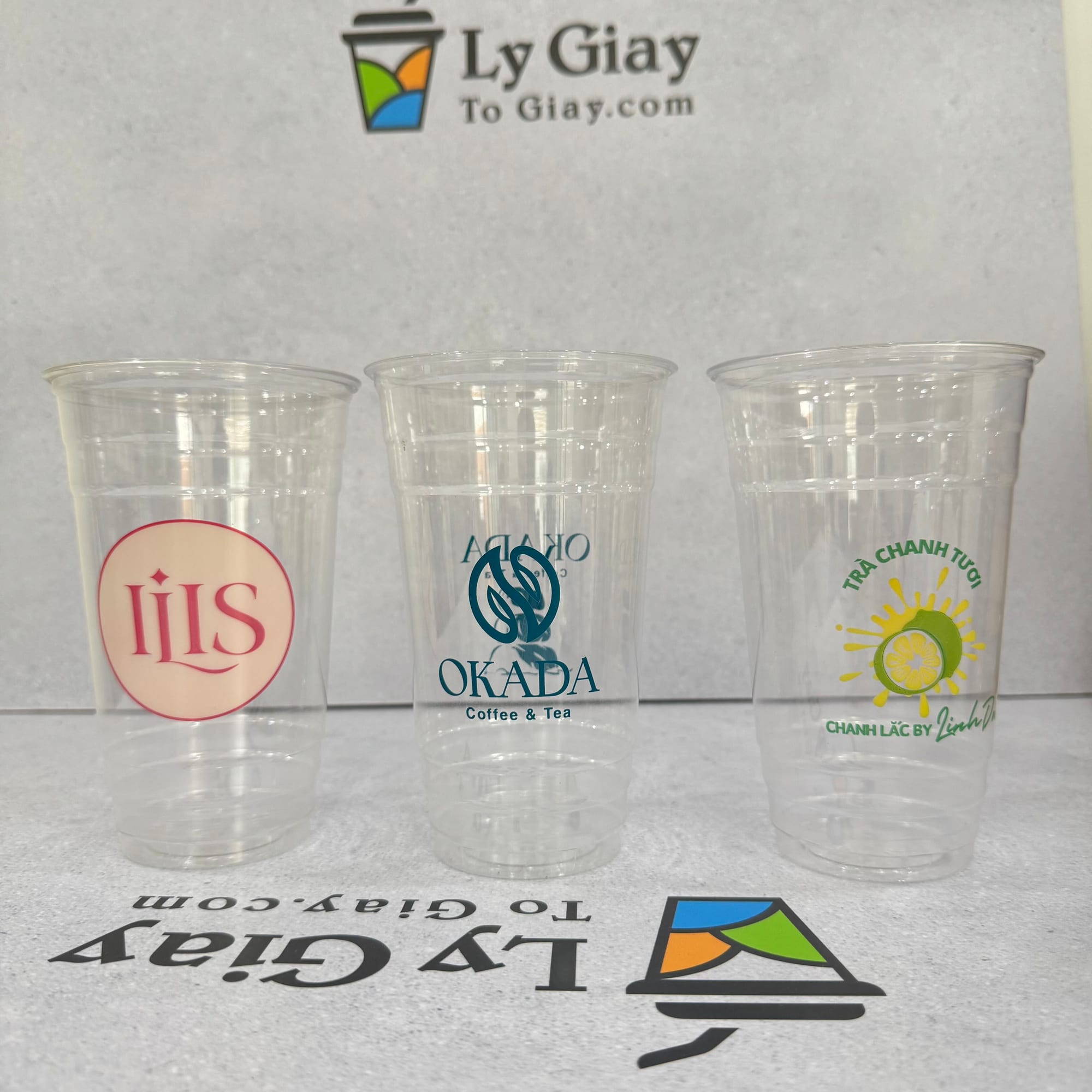
    For newly launched coffee, milk tea, or beverage shops, optimizing initial operating costs while building brand awareness is a major challenge. Among various promotional methods, custom plastic cup printing stands out as an exceptionally effective, low-cost marketing strategy. By sourcing directly from manufacturing facilities, business owners can secure maximum cost savings without compromising packaging quality. In this article, Ly Giấy Tô Giấy reveals the secret to leveraging factory-direct plastic cup printing to build a strong brand identity on a budget.

    1. Why Should New Shops Invest in Custom Plastic Cup Printing?

    Many new store owners initially opt for plain, unprinted plastic cups to save costs. However, this approach misses out on a valuable marketing opportunity.

    • Mobile Billboard Marketing: A custom-printed cup travels with your customer through streets, offices, and parks, introducing your logo to dozens of potential buyers along the way.

    • Enhancing Brand Professionalism: A drink served in a crisp, beautifully printed cup looks significantly more trustworthy and premium than one in a generic blank container.

    • Social Media Check-ins: Visually appealing cup designs encourage customers to take photos and share their drink experiences on Instagram, Facebook, or TikTok, driving free organic word-of-mouth promotion.

                                                                                                 Source: reference

    2. Benefits of Sourcing Printed Plastic Cups Direct from the Factory

    Working directly with a manufacturing facility like Ly Giấy Tô Giấy offers clear advantages over buying through third-party intermediaries:

    • Wholesale Factory Pricing:Bypassing middlemen allows you to buy at true factory-direct prices. Even with small to medium initial order quantities, buying from the manufacturer significantly lowers your unit cost per cup.
    • Strict Quality & Food-Safe Assurance: Direct production ensures strict quality control over raw materials—such as high-grade PET or PP plastics—guaranteeing that cups are durable, crack-resistant, clear, and completely safe for food and beverage contact.
    • Modern Printing & Design Customization: Factories equipped with advanced offset and curved screen-printing machinery deliver sharp, non-smudging, and vibrant logo prints that accurately match your brand colors.

    3. Popular Plastic Cup Materials & Sizes for Beverage Shops

    Choosing the right cup material and size is key to serving your menu efficiently:

    Plastic Cup Materials

    • PET Cups (Polyethylene Terephthalate): Extremely clear, sturdy, and premium in appearance. Ideal for iced coffees, fruit teas, and cold brews. (Note: Compatible with matching lids, not heat-sealing film).

    • PP Cups (Polypropylene): Flexible, durable, and heat-resistant. Can be used with both matching lids and automatic heat-sealing machines—a popular choice for boba milk tea shops.

    Standard Sizes

    Depending on your menu structure, standard cup sizes generally include:

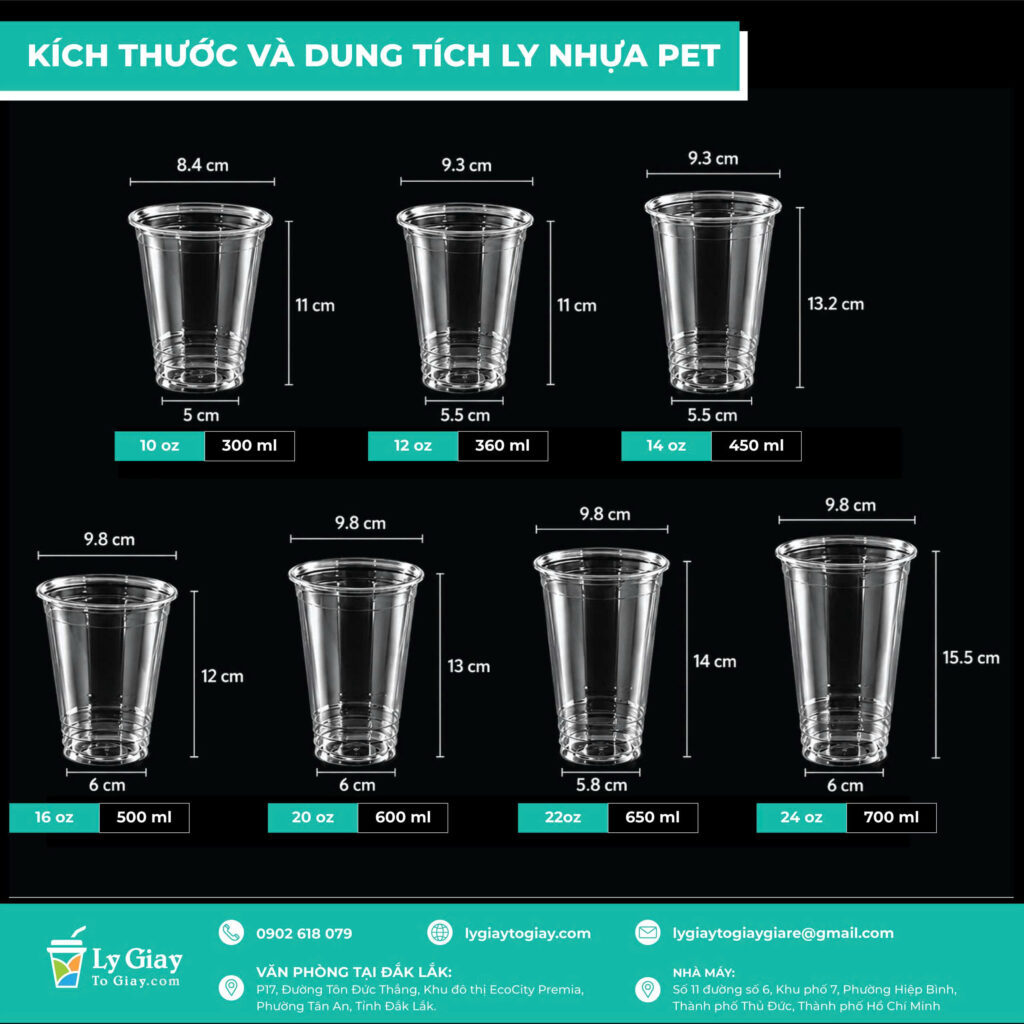
    • Small Size (12oz / 360ml): Ideal for traditional hot/iced espresso drinks or small portions.

    • Medium Size (14oz – 16oz / 400ml – 500ml): The most versatile standard size for iced drinks, teas, and smoothies.

    • Large Size (22oz / 700ml): Perfect for extra-large boba teas, fruit teas, and layered specialty drinks.

    4. Partner with Ly Giấy Tô Giấy for Your Packaging Needs

    If you are looking for a reliable, factory-direct partner for high-quality plastic cup printing, Ly Giấy Tô Giấy is here to support your growth:

    • Factory-Direct Rates: Competitive pricing tailored to support startups and expanding franchises.

    • Vibrant & Sharp Printing: Advanced ink technologies that remain crisp and smudge-free.

    • Diverse Product Options: Full range of PET/PP plastic cups, eco-friendly paper cups, and custom lids.

    • Dedicated Service: Free design support and fast delivery times.

    Contact Ly Giấy Tô Giấy today to receive expert advice and a quick quote for your store!
    Hotline/ Zalo/ Telegram/ WhatsApp: 0902 618 079

  • Comparing Brown Kraft vs. White Kraft: Which Is the Ultimate Choice for Organic Product Packaging?

    Comparing Brown Kraft vs. White Kraft: Which Is the Ultimate Choice for Organic Product Packaging?

    In the trend of green consumption and organic lifestyle, packaging is not simply something used to contain products, but also an effective story-telling channel, conveying the environmental commitment of the brand. Among sustainable packaging materials, Kraft paper is always the top preferred choice. However, many organic product businesses are facing a dilemma: Should they choose Brown Kraft or White Kraft paper? Each type has its own beauty, advantages, and suitable applications. Let’s analyze in detail with me to make the most optimal choice for your brand!

    1. What Are Brown Kraft and White Kraft Paper?

    Kraft paper gets its strength from the sulfate chemical pulping process, which preserves long wood fibers and produces resilient paperboard. The primary difference lies in whether the pulp undergoes an extra bleaching phase.

    Brown Kraft Paper (Unbleached Kraft)

    Unbleached kraft skips the chemical bleaching bath entirely. It retains the natural, earthy shade of raw wood pulp along with subtle textural variations across the sheet. Because it involves minimal processing, unbleached stock maintains high tensile strength at standard GSM (Grams per Square Meter) ratings. Converting lines frequently run this material for takeout containers, bowls, and outer sleeves because it yields dependable, puncture-resistant performance.

    White Kraft Paper (Bleached Kraft)

    Bleached kraft undergoes a deliberate refining wash using chlorine-free agents to strip out lignin and natural wood pigments. The result is a clean, uniform white surface that retains the raw tear resistance of standard kraft fiber. Unlike coated gloss papers, bleached kraft delivers an organic matte finish without unnecessary plastic films. It gives consumer brands a neutral, sterile, yet tactile packaging canvas.

    2. Key Differences in Brown Kraft vs White Kraft Performance

    When evaluating unbleached and bleached kraft stocks on the production floor, four operational factors determine which substrate will best suit your application.

    Aesthetics and Visual Style

    Brown paperboard projects an earthy, unrefined appeal that signals farm-fresh roots and environmental consciousness. White kraft delivers a clinical, minimalist aesthetic favored by modern apothecary lines, clean cosmetics, and upscale bakeries. Your choice dictates whether your brand leans toward artisan heritage or contemporary elegance.

    Color Printing Capability

    Surface background color fundamentally alters ink behavior. Evaluating the color performance between both options involves practical trade-offs:

    • Ink Absorption on Brown Stock: The natural brown base dulls pale inks and shifts color values toward darker, muted tones. Maintaining consistent brand color requires deep hues like rich black, forest green, or midnight navy to offset background tint shifting.
    • Vibrancy on White Stock: A white backdrop provides neutral contrast, letting multi-color artwork, fine typography, and pastel branding reproduce accurately without muddying the final tint.

    Eco-Friendly Consumer Perception

    While both substrates are recyclable and compostable when free of heavy plastic linings, shoppers perceive them differently. Most retail buyers instinctively register unbleached brown paper as natural and unprocessed. Bleached paper requires clear messaging on the container to reassure buyers that it remains fully recyclable and responsibly sourced.

    Cost and Production Efficiency

    Because white kraft requires an added chemical refining step, raw bleached rolls carry a slightly higher base sheet cost. Unbleached brown pulp involves fewer refining cycles, making it the more budget-friendly substrate for high-volume takeout items and direct packaging runs.

    3. Brown Kraft vs White Kraft: Which Fits Organic Products?

    When to Choose Brown Kraft Paper

    Select unbleached paper if your product ethos centers on zero-waste farming, unrefined ingredients, or rustic authenticity. It is the practical standard for wholesale coffee beans, dried herbs, loose grains, and takeout bowls. When you run containers with bold, single-color graphic designs, brown stock provides an undeniable visual shorthand for sustainability.

    When to Choose White Kraft Paper

    Choose bleached stock if your label relies on precise product certifications, detailed nutrition panels, or delicate brand shades. White kraft works well for organic skincare, infant nutrition, and premium botanical teas where a clean, hygienic backdrop is mandatory. It ensures critical regulatory text remains crisp, legible, and easy to inspect.

    Hình ảnh Ghim câu chuyện

    Conclusion

    Settling the debate between brown kraft vs white kraft comes down to balancing raw, natural shelf appeal against crisp print clarity. Unbleached paper remains the benchmark for earthy, rustic branding, while bleached paper gives health and wellness lines an orderly, high-contrast finish. Request physical material samples to test your artwork across both paper stocks before starting a production run.

    Ly Giấy Tô Giấy – Professional Paper Packaging Solutions

    Whether you choose Brown Kraft or White Kraft, Ly Giấy Tô Giấy is ready to accompany your business:

    • Providing high-quality Kraft paper cups, Kraft paper bowls, paper bags, and paper food boxes, food-safe certified.

    • Modern printing technology, sharp logo printing, true to design.

    • Consulting on optimal solutions for each product line and budget.

    Contact Ly Giấy Tô Giấy today for consultation and sample quotes!
    Hotline/ Zalo/ Telegram/ WhatsApp: +84 902 618 079
    Website: https://cup.lygiaytogiay.com/

  • Paper Cups vs. Plastic Cups: Which One is Right for Your Business?

    Paper Cups vs. Plastic Cups: Which One is Right for Your Business?

    Choosing the right beverage packaging is one of the most critical decisions for any coffee shop, bubble tea store, or F&B business. Your choice affects not only the customer experience but also your brand image, operational efficiency, and overall budget.
    When deciding between paper cups vs. plastic cups, there is no single “correct” option. Both materials offer distinct advantages depending on the drinks you serve and the identity of your brand. In this guide, we break down the key differences to help you choose the best fit for your business.

    1. The Key Differences Between Paper Cups vs Plastic Cups

    Every beverage format behaves differently under thermal load and condensation. Understanding board density and polymer behavior prevents messy leaks, hand burns, and lost product during a busy rush.

    Insulation and Heat Resistance

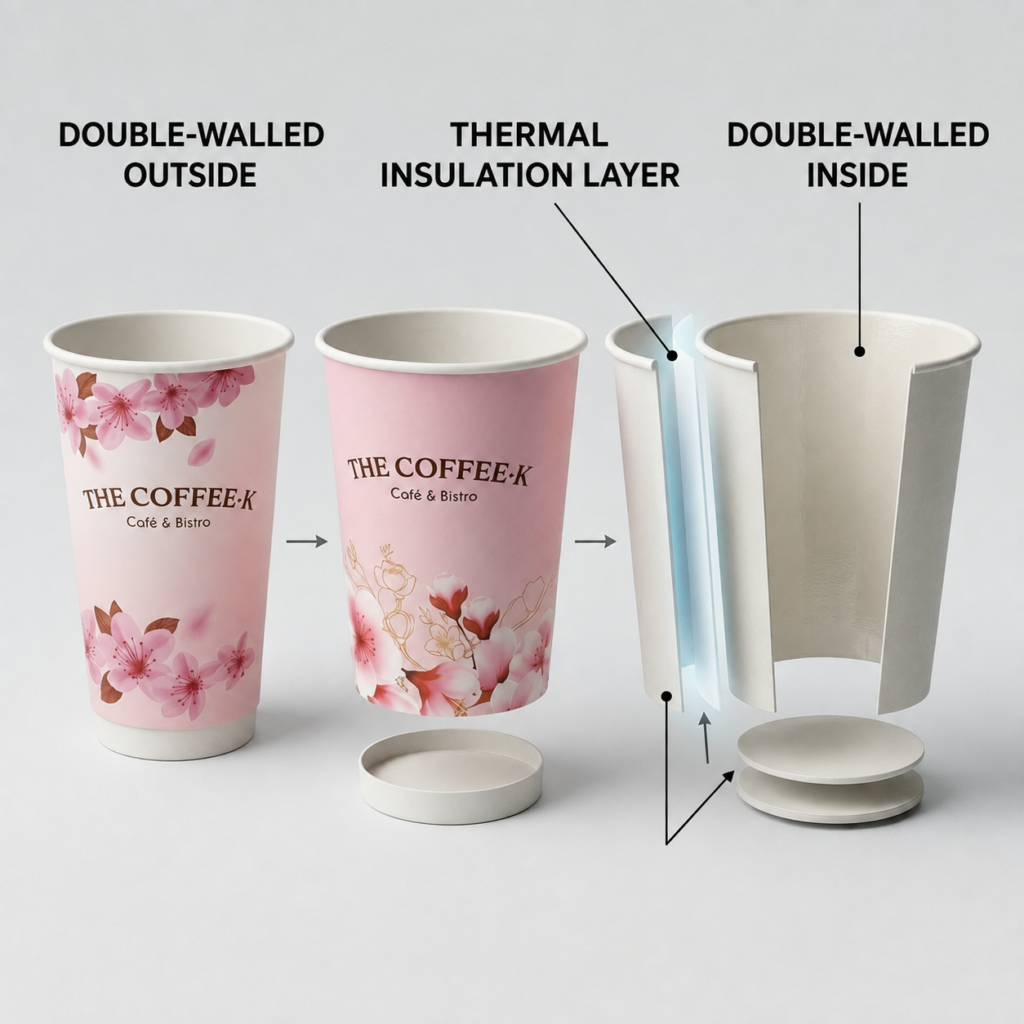
    Hot beverages demand controlled thermal conductivity. Paper options rely on dense paperboard measured by GSM (Grams per Square Meter), bonded with an internal liquid barrier. For black coffee and flat whites, single-wall designs utilize a PE Coated (1PE / 2PE) inner lining (1PE) to prevent liquid penetration while keeping the rolled rim rigid under lid pressure. Double-wall designs add an insulating air pocket that shields fingers without requiring an extra cardboard sleeve. In contrast, standard PET plastic softens and warps when exposed to high heat, making clear plastic unsuited for hot pours.

    Aesthetics and Branding Potential

    Visual presentation depends on whether you want to showcase the liquid itself or the exterior artwork:

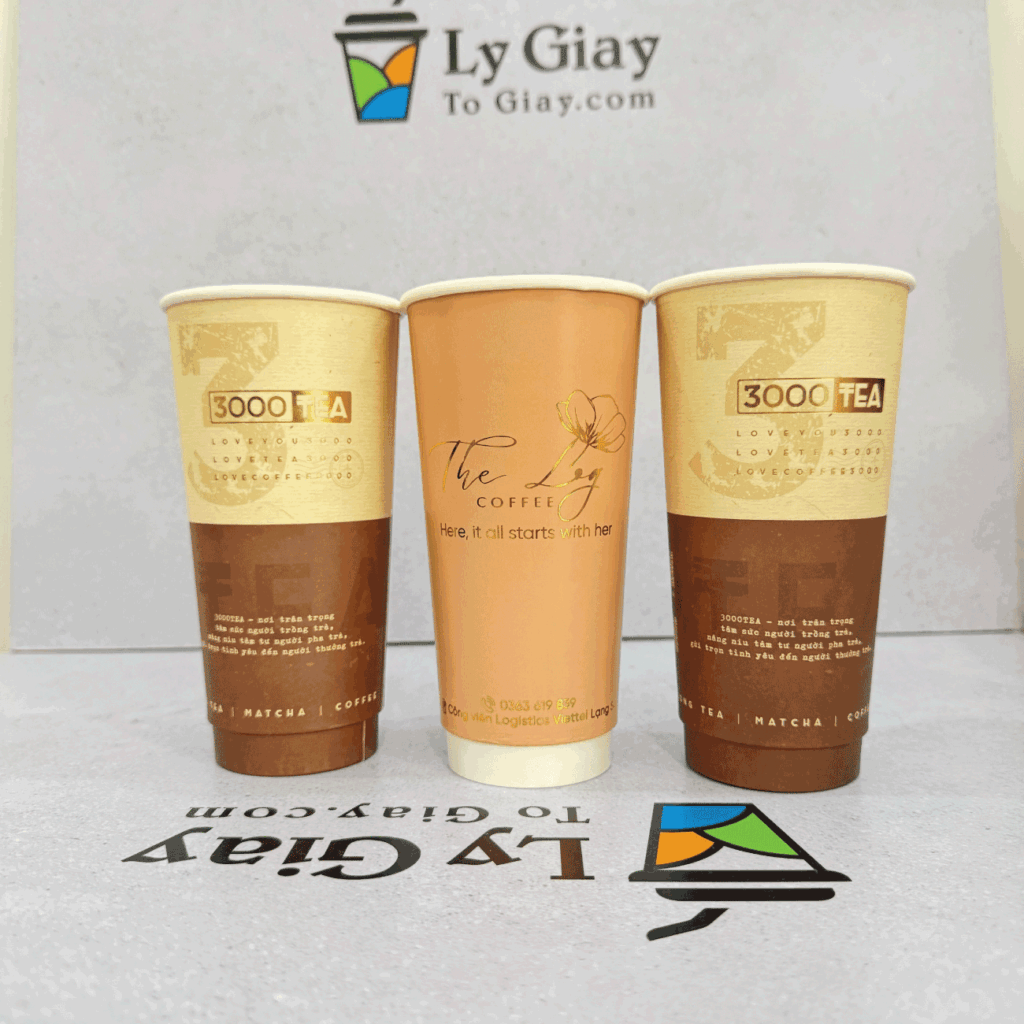
    • Paper substrates: Deliver full 360-degree, edge-to-edge coverage. The smooth matte or glossy exterior provides a flat surface for bold patterns, detailed logos, and full-bleed brand colors.
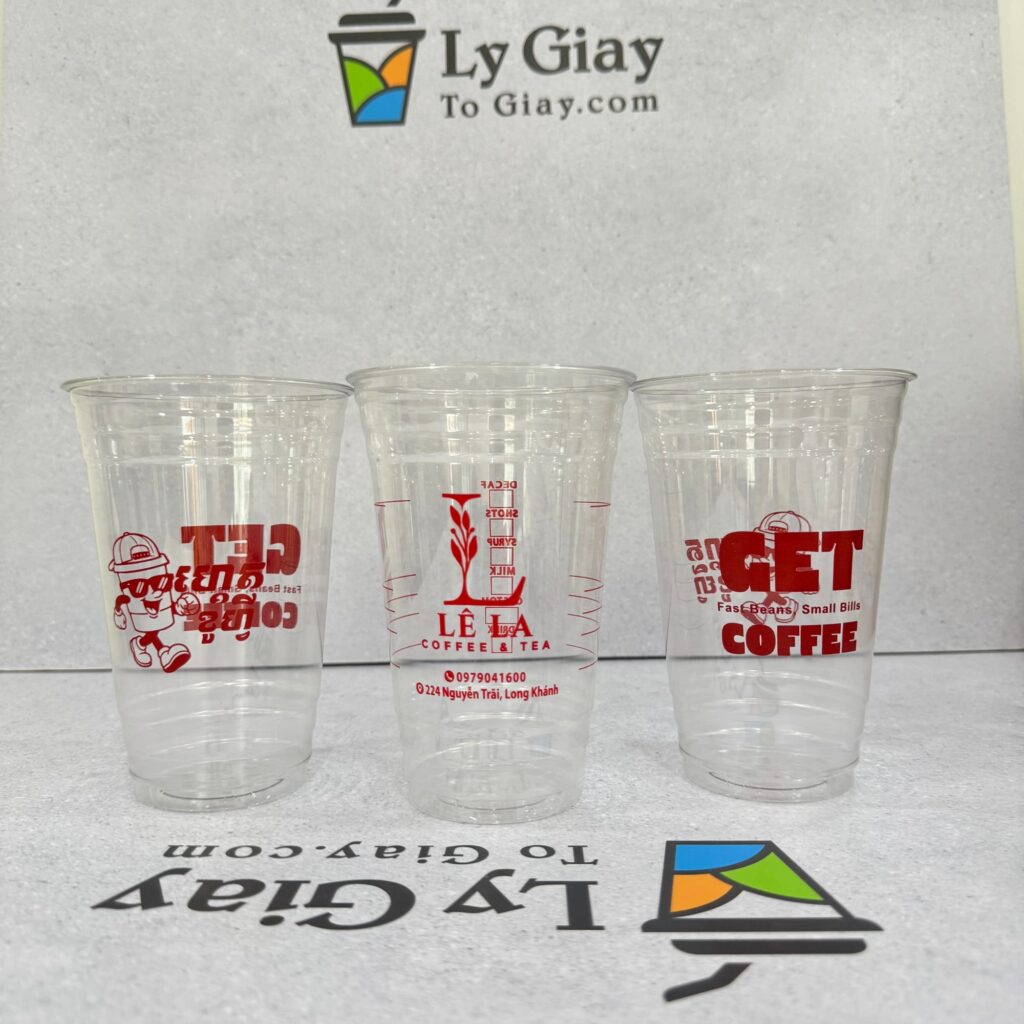
    • Plastic containers: Focus entirely on transparency. Clear PET and translucent PP showcase vibrant fruit infusions, layered matcha lattes, and dark tapioca pearls, turning the drink build into its own visual marketing.
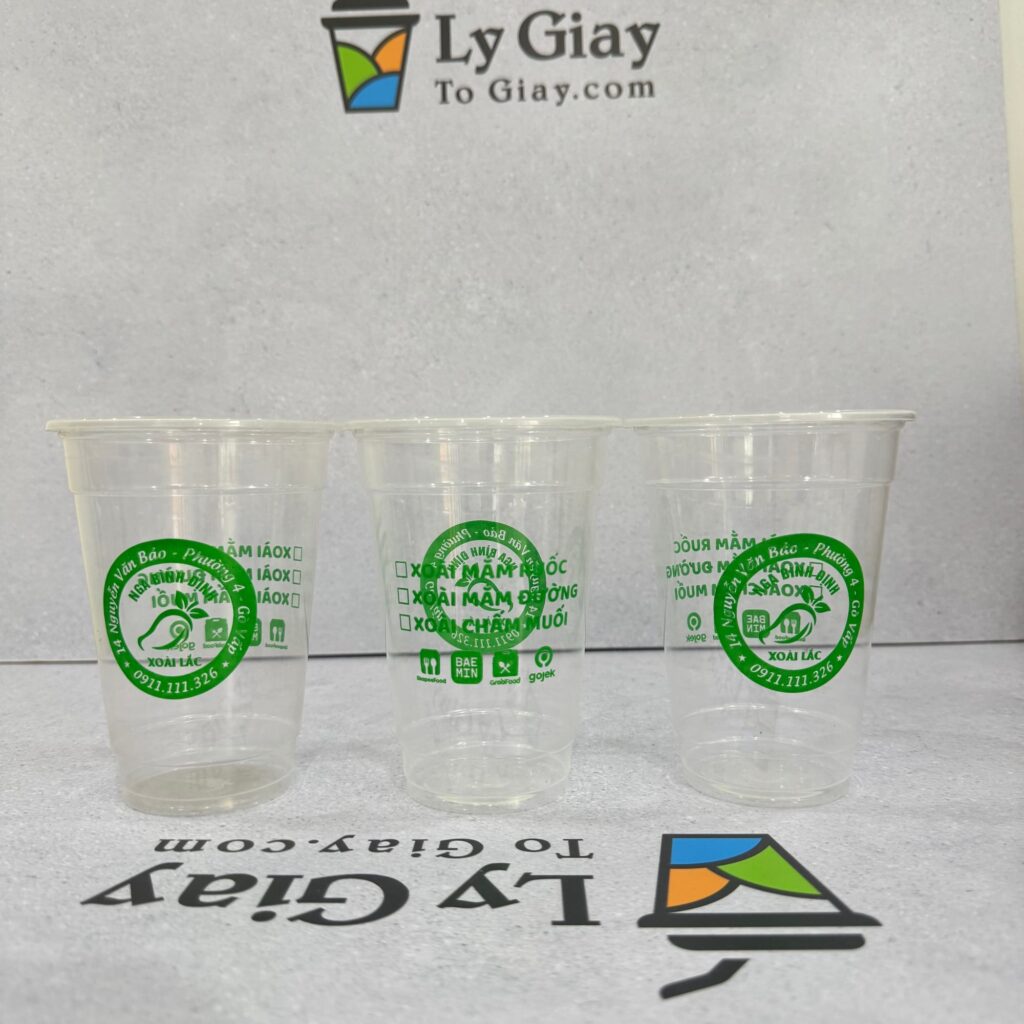
    • Print execution: Custom paper cups take dense flexographic and rotary inks with crisp registration. Plastic drinkware generally relies on spot-color dry offset or screen printing, which limits multi-tonal gradients.

    2. Environmental Impact and Sustainability

    Today’s consumers are increasingly conscious of sustainability. Choosing eco-friendly packaging can significantly boost your brand’s reputation.

    • Paper Cups: Generally perceived as the greener option because paper is a renewable resource. Many modern paper cups are lined with PLA (polylactic acid) or water-based coatings, making them biodegradable or commercially compostable.

    • Plastic Cups: While PET plastic is widely recyclable, improper disposal remains a global concern. However, offering recyclable PP or PET cups alongside clear recycling bins can still align with responsible business practices.

    If your brand message centers around sustainability and eco-conscious living, high-quality paper cups are usually the preferred choice.

    3. Cost Factor and Durability

    Unit pricing balances raw material expenses against storage logistics and in-hand durability:

    • Direct Unit Costs: Standard single-wall paper cups maintain an economical baseline price, whereas high-GSM double-wall designs increase unit costs due to heavier board requirements. Basic clear PET provides predictable, budget-friendly baseline pricing per case.
    • Storage Footprint: Thin-gauge plastic sleeves nest tightly, occupying significantly less vertical storage space behind tight service bars than bulky insulated paper cups.
    • Transit Rigidity: Clear PET flexes under impact and recovers without splitting, making it resilient during rough courier transit. Single-wall paper cups provide strong top-to-bottom rim strength, but external condensation from cold drinks can soften unlined exterior board over extended delivery runs. Running a double-sided 2PE barrier stops outer wall softening entirely.

    Conclusion

    Whether you choose paper or plastic, custom printing turns an ordinary container into a mobile billboard for your brand. High-quality prints, vibrant colors, and sharp logos leave a lasting impression on your customers before they even take their first sip.
    At here , we provide comprehensive F&B packaging solutions tailored to your needs—from eco-friendly paper cups to durable clear plastic cups with custom logo printing. Contact us today to explore our catalog and get a quick quote for your store!
    WhatsApp/ Telegram/ Zalo: 0902 618 079